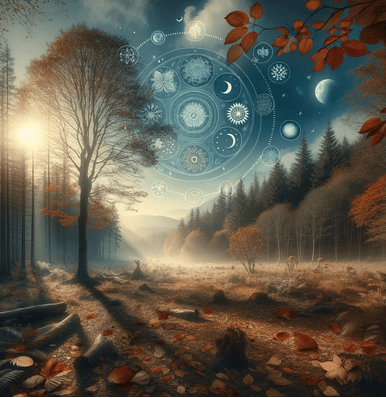
Exploring Yoga Sutras: my personal journey

As a student, I often found philosophy daunting, something that seemed to complicate rather than clarify my understanding of the world. This perspective shifted dramatically about a decade ago when I embarked on a journey into Yoga Philosophy. Unlike my previous encounters with philosophy, Yoga Philosophy opened a portal to a world of profound questions and insights, intertwining ancient wisdom with modern scientific inquiry.

My intrigue with Yoga Philosophy began with questions that mirrored the inquiries of modern science. I pondered the parallels between the Big Bang theory and the concept of ‘Om’ in Yoga, both signifying creation and beginning. The more I delved into it, the more I realized that Yoga Philosophy might have been exploring questions about the universe, existence, and creation long before modern science began to unveil these mysteries. This realization was particularly striking considering how science is now peering back nearly 12 billion years, approaching the estimated 13.8 billion years of the universe’s existence.

Questions about existence, death, and the nature of consciousness became central to my exploration. Yoga Philosophy offered a perspective that transcended the physicality of existence. It made me ponder: What happens after death? Do we return to a source, or is it merely an end? Through meditation and yogic practices, the possibility of connecting with everything and yet feeling detached, or understanding the universe at a deeper level, seemed increasingly plausible.

Personal Transformation through Yoga Philosophy

The sudden passing of my father last year plunged me into a deep well of grief and suffering. In those days of immense pain, where getting out of bed seemed like an insurmountable task, let alone practicing yoga, I found an unexpected solace in the teachings of Yoga Philosophy. In the dark moment of my life, I remembered my father’s advice to contribute something meaningful to the community, I realized that the path to healing my own pain lay in helping others. This revelation gradually guided me out of the darkest moments of my life.

Wisdom of the Yoga Sutra

The Yoga Sutra, a foundational text of Yoga Philosophy, has been a constant companion in my quest for understanding and finding peace. I also realized that the true wisdom lies in our ability to make us comfortable with not having all the answers. Why Yoga Sutra and how did it help me on my daily life. To be honest, I really do not have the answer, and somehow the answer is always there for me. Just as we contemplate about the creation of our universe, the answer maybe already there long 5000 years ago …

Join Our Exploration

This Sunday, I invite you to join Maria Juul and me for a free discussion on the Yoga Sutra at The Yoga Nest. We will share our experiences, ideas, and the knowledge we’ve gained on our respective yoga journeys. This is an opportunity not just to learn about Yoga Philosophy but to explore how its ancient wisdom can illuminate our modern lives.

For those interested in joining this exploration and enriching your understanding of life through the lens of Yoga Philosophy, please register at www.theyoganest.no. Let’s embark on this journey together, uncovering ancient wisdom that holds the potential to transform our lives.

Pranic Healing: Reviving an Ancient Art in the Modern World

In the bustling city of Stavanger, where the pace of life is ever-accelerating, Pranic Healing emerges as a transformative and deeply restorative practice. This ancient art and science, enriched by the wisdom of India, China, and Egypt, offers a unique approach to wellness, harmonizing ‘prana’ or vital life energy. This is especially beneficial for those who are also exploring yoga and mindfulness as part of their holistic health journey.

The Essence of Pranic Healing

At its core, Pranic Healing recognizes that our being extends beyond physicality. It comprises a dynamic energy system, including the physical body and the ‘bio-plasmic body’ filled with prana. Health issues often originate in this energetic realm before manifesting physically. By addressing these energetic imbalances, Pranic Healing not only improves health but enhances the overall quality of life.

Techniques and Practices in Pranic Healing Sessions

  1. Energy Manipulation: Central to Pranic Healing, especially in our classes in Stavanger, is the skillful manipulation of the body’s energy. This includes detecting imbalances, cleansing to eradicate negative energy, and energizing affected areas with prana.
  2. Chakras: Our sessions focus on the chakras, crucial energy centers in the body. Balancing these chakras is vital for health and vitality, an aspect often emphasized in our Stavanger yoga classes.
  3. Breathwork (Pranayama): In line with yoga practices, breathwork is a primary technique in Pranic Healing, harnessing breath as a source of prana to regulate energy flow.
  4. Meditation: Integral to our sessions is meditation, especially the Meditation on Twin Hearts, promoting inner peace and aiding in both physical and mental healing.

Applications of Pranic Healing in Modern life

  1. Enhanced Energy and Vitality: Regular Pranic Healing sessions can significantly boost energy levels, crucial for the busy lifestyles in Stavanger.
  2. Alleviating Physical Ailments: Aligning chakras can address specific bodily discomforts. For instance, a balanced throat chakra can alleviate throat problems, a common issue in Stavanger’s variable climate.
  3. Emotional and Mental Well-being: Our sessions aim to stabilize emotions and enhance mental clarity, reducing anxiety and depression, which is particularly relevant in the context of Stavanger’s high-paced environment.
  4. Stress Reduction: The calming effect of balanced chakras is essential for stress management, a necessity in today’s fast-paced world.

As Stavanger continues to grow and evolve, the need for balanced and harmonious living becomes ever more important. Pranic Healing offers a path to rejuvenate and maintain our physical, mental, and spiritual health, bridging ancient wisdom with modern holistic health practices. I offer Prana healing session class on Stavanger every Friday from 14 to 15 on one on one basis. Schedule class with me on http://www.theyoganest.no

Yin Yoga and Marma Points: A Perfect Combination for Pre-Christmas Relaxation and Wellbeing in Stavanger

As the festive season approaches, the hustle and bustle of Christmas preparations can often leave us feeling drained and in need of rejuvenation. In Stavanger, a unique way to elevate your wellbeing and embrace a sense of calm during this busy time is by participating in yoga classes that combine the gentle practice of Yin Yoga with the therapeutic benefits of Marma points.

Yin Yoga and Marma Points: A Pathway to Wellness

The Yoga Nest is proud to offer specialized yoga classes in Stavanger that integrate Yin Yoga and Marma Point Therapy. This combination is not only an excellent way to unwind but also a powerful tool to improve sleep quality and overall wellness during the pre-Christmas rush.

  • Yin Yoga for Deep Relaxation: Our Yin Yoga practice focuses on holding poses for an extended period, allowing a deep stretch that reaches the connective tissues. This form of yoga, ideal for all levels, promotes relaxation and helps in releasing the physical and mental stress that often accompanies the Christmas season.
  • Marma Points for Enhanced Wellbeing: By incorporating Marma points into the Yin Yoga practice, we tap into specific energy centers in the body. This stimulation helps in releasing blocked energy, enhancing relaxation and fostering a state of balance and wellness.

Elevate Your Christmas Spirit with a Cozy Glogg Event

After the Yin Yoga and Marma points session, we invite our participants to a social gathering to enjoy a traditional Norwegian drink – Glogg. This event provides a wonderful opportunity for attendees to socialize and indulge in the cozy, festive atmosphere, making it a perfect nesting experience. The warm and spiced flavors of Glogg serve as an excellent way to conclude the yoga session, leaving you feeling relaxed and socially enriched.

Join Us for a Unique Pre-Christmas Experience

Our Yin Yoga and Marma points class, followed by the Glogg event, offers a unique experience to elevate your wellbeing and indulge in the cozy, festive spirit of Christmas. Whether you’re a Stavanger local or visiting, these classes are a wonderful opportunity to focus on self-care and wellness, ensuring you head into the holiday season feeling rejuvenated and balanced.

Don’t miss this chance to unwind and connect with others in the community. Embrace the festive season with a sense of calm and joy by joining our special pre-Christmas yoga classes in Stavanger. Book your spot today and experience the perfect blend of relaxation, wellness, and festive socializing! Book here https://theyoganest.no/classes/

  • Yoga sutra text 1.8

    1.8. viparyayo mithyā-jñānam atad-rūpa-pratiṣṭham viparyayaḥ, error;  mithyā, false;  jñānam, knowledge;  atad, not that, incorrect; rūpa, form; pratiṣṭham, established in Translation: Error is false knowledge stemming from the incorrect apprehension [of something]. (Edward F. Bryant, The Yoga Sutra of Pantajalin, A new Edition, translation, and commentary) The concept of viparyaya, or error, as the second type…

  • Yoga Sutra text 1.2

    Yoga Sutra text 1.2

    Text 2: yogaś citta-vṛtti-nirodhaḥ yogaḥ, yoga; citta, the mind;  vṛtti, fluctuation, state; nirodhaḥ, restraint, control  Translation: Yoga is the stilling of the changing states of the mind. (Edward F. Bryant, The Yoga Sutra of Pantajalin, A new Edition, translation, and commentary). Citta refers to the mind, including its layers of consciousness, thoughts, and emotions. The concept of…

  • Yin Yoga and Marma Points: A Perfect Combination for Pre-Christmas Relaxation and Wellbeing in Stavanger

    As the festive season approaches, the hustle and bustle of Christmas preparations can often leave us feeling drained and in need of rejuvenation. In Stavanger, a unique way to elevate your wellbeing and embrace a sense of calm during this busy time is by participating in yoga classes that combine the gentle practice of Yin…

  • The intersection of Energy Medicine of Modern Science and the wisdom of Yoga Sutra by Patanjali

    Energy medicine, as discussed in James Oschman’s work explores into energy medicine delves into the scientific understanding of the body’s energy fields. He proposes that the body’s health is deeply connected to these energy systems. According to Oschman, illnesses or physical dysfunctions are often linked to imbalances in these energies. His work highlights how various…

  • Bandha & Core Workshop in Stavanger on 20th of Sept

    Bandha & Core Workshop in Stavanger on 20th of Sept

    Curious what’s actually going on down there? You’ve heard the words a hundred times. Mula Bandha. Root lock. Engage your core. Someone in class whispered it like it was a secret password, and you nodded along, quietly wondering if you were doing it at all. Here’s the good news: you’re about to find out. This…

  • Let´s get the practice going, Led Ashtanga Yoga Class In stavanger Sat July 25th

    Let´s get the practice going, Led Ashtanga Yoga Class In stavanger Sat July 25th

    Step onto your mat and let an experienced teacher guide you through the traditional Ashtanga Vinyasa sequence, breath by breath, movement by movement. You’ll flow through each posture with clear cues on alignment, so you can settle into the practice with confidence rather than guesswork. As your breath deepens, you may notice your mind quieting…

  • Your Practice Doesn’t Take a Summer Break – Bring the teachers with you and keep growing

    Your Practice Doesn’t Take a Summer Break – Bring the teachers with you and keep growing

    Your Practice Doesn’t Take a Summer Break Summer is calling you outward. Trips, long weekends, time away from the mat you know so well. And still, your practice can travel right there with you. This summer, The Yoga Nest goes online, so you can bring your teachers, your community, and your rhythm wherever you land.…

  • Yoga sutra text 1.8

    1.8. viparyayo mithyā-jñānam atad-rūpa-pratiṣṭham viparyayaḥ, error;  mithyā, false;  jñānam, knowledge;  atad, not that, incorrect; rūpa, form; pratiṣṭham, established in Translation: Error is false knowledge stemming from the incorrect apprehension [of something]. (Edward F. Bryant, The Yoga Sutra of Pantajalin, A new Edition, translation, and commentary) The concept of viparyaya, or error, as the second type…

  • Yoga Sutra text 1.2

    Yoga Sutra text 1.2

    Text 2: yogaś citta-vṛtti-nirodhaḥ yogaḥ, yoga; citta, the mind;  vṛtti, fluctuation, state; nirodhaḥ, restraint, control  Translation: Yoga is the stilling of the changing states of the mind. (Edward F. Bryant, The Yoga Sutra of Pantajalin, A new Edition, translation, and commentary). Citta refers to the mind, including its layers of consciousness, thoughts, and emotions. The concept of…

  • Yin Yoga and Marma Points: A Perfect Combination for Pre-Christmas Relaxation and Wellbeing in Stavanger

    As the festive season approaches, the hustle and bustle of Christmas preparations can often leave us feeling drained and in need of rejuvenation. In Stavanger, a unique way to elevate your wellbeing and embrace a sense of calm during this busy time is by participating in yoga classes that combine the gentle practice of Yin…

  • The intersection of Energy Medicine of Modern Science and the wisdom of Yoga Sutra by Patanjali

    Energy medicine, as discussed in James Oschman’s work explores into energy medicine delves into the scientific understanding of the body’s energy fields. He proposes that the body’s health is deeply connected to these energy systems. According to Oschman, illnesses or physical dysfunctions are often linked to imbalances in these energies. His work highlights how various…

  • Bandha & Core Workshop in Stavanger on 20th of Sept

    Bandha & Core Workshop in Stavanger on 20th of Sept

    Curious what’s actually going on down there? You’ve heard the words a hundred times. Mula Bandha. Root lock. Engage your core. Someone in class whispered it like it was a secret password, and you nodded along, quietly wondering if you were doing it at all. Here’s the good news: you’re about to find out. This…

  • Let´s get the practice going, Led Ashtanga Yoga Class In stavanger Sat July 25th

    Let´s get the practice going, Led Ashtanga Yoga Class In stavanger Sat July 25th

    Step onto your mat and let an experienced teacher guide you through the traditional Ashtanga Vinyasa sequence, breath by breath, movement by movement. You’ll flow through each posture with clear cues on alignment, so you can settle into the practice with confidence rather than guesswork. As your breath deepens, you may notice your mind quieting…

  • Your Practice Doesn’t Take a Summer Break – Bring the teachers with you and keep growing

    Your Practice Doesn’t Take a Summer Break – Bring the teachers with you and keep growing

    Your Practice Doesn’t Take a Summer Break Summer is calling you outward. Trips, long weekends, time away from the mat you know so well. And still, your practice can travel right there with you. This summer, The Yoga Nest goes online, so you can bring your teachers, your community, and your rhythm wherever you land.…

Photo by Karolina Grabowska on Pexels.com

The intersection of Energy Medicine of Modern Science and the wisdom of Yoga Sutra by Patanjali

Energy medicine, as discussed in James Oschman’s work explores into energy medicine delves into the scientific understanding of the body’s energy fields. He proposes that the body’s health is deeply connected to these energy systems. According to Oschman, illnesses or physical dysfunctions are often linked to imbalances in these energies. His work highlights how various forms of energy medicine, including acupuncture, reiki, and therapeutic touch, can effectively manipulate these energies, restoring balance and health.

Yoga Sutra of Patanjali

The Yoga Sutra of Patanjali, a foundational text of Yoga philosophy compiled around 2000 years ago, presents an intricate understanding of the human mind, body, and spirit. It introduces the concept of ‘Prana’ (vital life force) and the system of ‘Nadis’ (energy channels), which closely align with what modern energy medicine might describe. The practices of Yoga, particularly Pranayama (breath control) and Dhyana (meditation), are seen as methods to balance and enhance this vital energy.

Both Oschman’s energy medicine and Patanjali’s Yoga Sutra recognize the existence of an unseen energy that flows through the body, crucial for health and vitality.

  1. Prana and Energy Fields: Just as Oschman discusses the body’s energy fields, Patanjali’s concept of Prana mirrors the idea that life energy is essential for well-being. Yoga practices aim to balance and enhance Prana, similar to how energy medicine seeks to balance energy fields for health.
  2. Healing Techniques: Techniques in energy medicine such as reiki or acupuncture can be seen as external aids to balance the body’s energy, while Yoga uses internal practices like Pranayama and Asana (physical postures) to achieve similar results.
  3. Holistic Health Approach: Both approaches view health holistically, suggesting that physical ailments are often linked to emotional, spiritual, or energetic imbalances. Healing, therefore, involves addressing all these aspects.
  4. Mind-Body Connection: Both acknowledge the deep connection between mind and body. Patanjali’s Yoga Sutra focuses extensively on mastering the mind through meditation, which is seen as a way to influence the body’s energy.
  5. Scientific and Philosophical Perspectives: While Oschman provides a scientific perspective, Patanjali offers a philosophical and experiential approach. Combining these views can offer a more comprehensive understanding of the human body’s energy systems.

The parallels between James Oschman’s energy medicine and the Yoga Sutra of Patanjali highlight a fascinating convergence of modern scientific thought and ancient wisdom. Both systems underscore the importance of energy in health and advocate for practices that maintain its balance for overall well-being. This synthesis of ideas provides a richer, more holistic approach to understanding and nurturing our health.

To explore these profound concepts further, we are excited to announce an upcoming talk on the Yoga Sutra of Patanjali at The Yoga Nest. Join us on Sunday, 10th December, for an enlightening session where we’ll dive deeper into the ancient wisdom of the Yoga Sutras and discuss its relevance and connection to modern daily life. This will be a fantastic opportunity to deepen your understanding of yoga philosophy and its application to modern life. We look forward to seeing you there!

Unlocking the Power of Self-Massage and Marma Points for Holistic Well-being

In the midst of our busy schedules and the high cost of professional treatments, especially in countries like Norway, self-massage and Marma point acupressure emerge as accessible and effective practices for personal health management. These techniques, deeply rooted in the ancient wisdom of Ayurveda, offer more than just physical relief; they are gateways to emotional and spiritual harmony.

Self-Massage, Marma Points, Ayurvedic Healing, Holistic Health, Stress Relief, Energy Flow, Emotional Balance, Spiritual Well-being, Home Therapy, DIY Massage, Ayurveda Practices.

The Convenience and Benefits of Self-Massage at Home:

  • Accessibility: With no need for special equipment or significant expenses, self-massage is a convenient and cost-effective method to maintain well-being.
  • Flexibility: Easily integrated into daily routines, self-massage provides a personalized approach to relaxation and health, accommodating our unique physical and emotional needs.
  • Empowerment: Learning and applying these techniques empower us to take proactive steps towards our own health and wellness.

The Transformative Power of Marma Points:

  • What Are Marma Points?: These are vital energy points, similar to acupuncture points in Chinese medicine, but found in the Ayurvedic tradition. The term ‘Marma’ denotes ‘hidden’ or ‘secret’ points where different tissues like muscles, veins, ligaments, bones, or joints meet, and where the body’s energy (Prana) flows.
  • Number and Significance: There are 107 Marma points, each linked to specific bodily functions and organs, playing a crucial role in our physical and emotional health.

Key Marma Points for Self-Practice:

Head and Neck

  1. Adhipati Marma: Enhances calmness and relieves stress. Also stimulates the pineal gland, influencing the autonomic nervous system.
  2. Ajna Marma: Boosts concentration, relieves headaches and sinus pain, and balances hormone levels.
  3. Shankha Marma: Alleviates headaches and supports clear hearing and touch senses.
  4. Krikatika Marma: Reduces neck stiffness and eases tension headaches while strengthening brain and spinal cord lubrication.
  5. Sthapani (Anja Chakra): Balances hormones, increases intuition and wisdom.

Upper Body

  1. Apalapa Marma: Eases shoulder tension, enhances arm energy flow.
  2. Manibandha Marma: Benefits wrist health, can aid in carpal tunnel syndrome treatment.
  3. Kshipra Marma: Helps relieve anxiety, improves digestion.
  4. Ani Marma: Increases blood flow to the heart.
  5. Indravasti Marma: Governs intestinal function and digestion.

Lower Body

  1. Gulpha Marma: Aids ankle mobility, improves lower limb circulation.
  2. Janu Marma: Supports knee health and governs heart and spleen/liver function.

Embracing self-massage and Marma point therapy offers a holistic approach to health, fostering physical, mental, and spiritual wellness. These practices are not only healing but also empowering, giving us the tools to thrive in our fast-paced lives.

Embracing the Vata Season

An Ayurvedic Guide to Harmonizing with Nature Through Food and Lifestyle

Ayurveda, the ancient Indian science of life and longevity, presents a fascinating lens through which we can view our health and well-being. Central to Ayurvedic wisdom is the understanding of the doshas – Vata, Pitta, and Kapha – which are the fundamental energies that govern our physical and mental processes. In Ayurveda, Doshas are the fundamental bio-energies found throughout the human body and mind. They govern all physical and mental processes and provide every living being with an individual blueprint for health and fulfillment. The three Doshas are Vata, Pitta, and Kapha.

  1. Vata (Air & Ether): Vata governs movement and communication within the body. It is characterized by qualities like dry, light, cold, and mobile. When balanced, Vata promotes creativity and flexibility. Imbalances can lead to anxiety and physical dryness.
  2. Pitta (Fire & Water): Pitta oversees digestion and transformation in the body. It is associated with qualities such as hot, sharp, and intense. A balanced Pitta results in a strong digestive fire and intellectual clarity, while imbalance can cause anger and inflammation.
  3. Kapha (Earth & Water): Kapha provides structure and lubrication. It is characterized by qualities like heavy, slow, cool, and oily. When in balance, Kapha is the source of endurance and strength. An excess can lead to lethargy and congestion.

Vata season: 

The Vata season in Ayurveda corresponds to late fall and early winter, characterized by qualities that are reminiscent of the Vata dosha – cold, dry, light, and windy. This understanding is based on the Ayurvedic principle that our environment and body are interconnected, and changes in the natural world influence our internal state.

Characteristics of the Vata Season:

  1. Cold: As the temperature drops, the cold quality of the season can increase Vata in our body, particularly affecting circulation and warmth.
  2. Dry and Rough: The air becomes dry and crisp, which can lead to dry skin, hair, and mucous membranes.
  3. Windy: Increased wind can mirror the restless, moving nature of Vata, often leading to feelings of instability or anxiety.
  4. Light: This quality can manifest as a feeling of ungroundedness or spaciness, aligning with Vata’s ether and air elements.

Impact on Health:

During the Vata season, people may experience an exacerbation of Vata-related conditions, such as:

  • Dry or cracked skin
  • Joint pain or stiffness
  • Digestive issues like gas, bloating, or constipation
  • Difficulty focusing or feeling scattered
  • Increased anxiety or nervousness

Ayurvedic Diet for Vata Season: 

The key to balancing Vata lies in countering its cold, light, and dry qualities with food that is warm, moist, and grounding. Here are some dietary tips to help you navigate the Vata season:

  1. Warm and Cooked Foods: Prefer warm, cooked meals over cold, raw salads and smoothies. Soups, stews, and warm grain bowls are excellent choices.
  2. Nourishing Fats: Include healthy fats such as ghee, olive oil, nuts, and seeds in your diet. They provide the necessary lubrication to combat the dryness of Vata.
  3. Spices: Embrace warming spices like ginger, cinnamon, cloves, and black pepper. These spices not only warm the body but also aid in digestion and circulation.
  4. Hydration: Stay hydrated with warm beverages. Herbal teas like chamomile, licorice, or ginger tea can be soothing.
  5. Sweet, Sour, and Salty Tastes: Ayurveda recommends including these tastes in a Vata-balancing diet. Think sweet fruits, sour citrus, and salted nuts.
  6. Grounding Foods: Root vegetables like sweet potatoes, carrots, beets, and turnips are grounding and nourishing for Vata.

Lifestyle Tips to Support Vata Balance:

  • Maintain a regular routine with set times for meals, sleep, and exercise.
  • Practice gentle, grounding yoga and meditation.
  • Keep yourself warm and dress in layers to protect against the cold and wind.

The Vata season is a time to slow down, nourish, and ground ourselves. By choosing foods and activities that balance Vata’s airy and mobile qualities, we can enjoy this season’s unique beauty and gifts while maintaining our well-being. Remember, Ayurveda is not just a dietary system but a holistic approach to living in harmony with nature’s cycles. Embrace its wisdom and let food be your medicine during this Vata season.

For more insights into Ayurvedic living and to delve deeper into the world of holistic wellness, follow our blog and join our community. Let’s journey together towards a balanced and vibrant life.

Up ↑